Synthesis & Sourcing
Peptides are produced and sourced from facilities operating under documented quality systems, with sequence confirmation on file.
The Alaskan Peptides standard is simple: verified identity, documented purity, controlled storage and a paper trail you can hand to your lab manager.
Peptides are produced and sourced from facilities operating under documented quality systems, with sequence confirmation on file.
A lot number is assigned, the test report is filed and the batch is released to the catalog.
Each lot is submitted to a third-party laboratory for HPLC purity, mass confirmation and appearance checks.
Each lot is stored in a Pharmaceutical Refrigerator with temperature logs for optimized ranges.
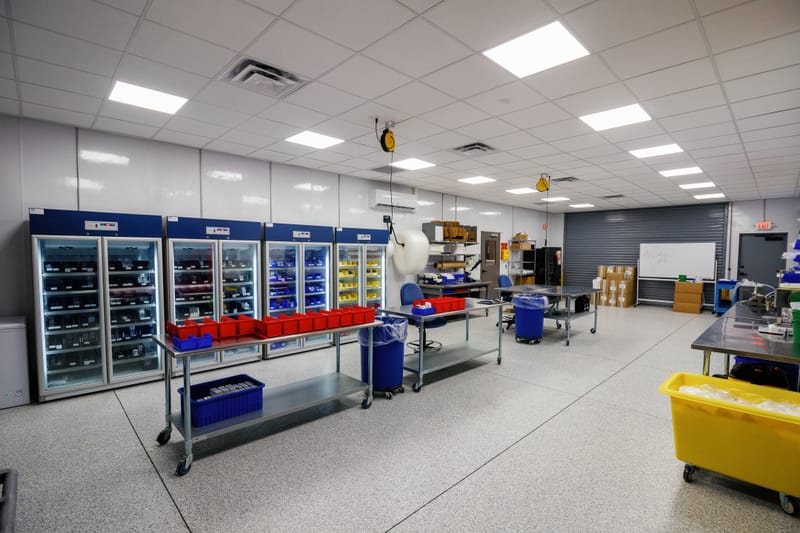
Our quality file for each batch includes the synthesis record, the independent HPLC report, the assigned lot number and the release date. If a value is not documented, it does not go on the label.
Purity is measured by HPLC and expressed as the percentage of the target peptide present in the vial. Our standard is 98% or above, with most lots testing above 99%.
Yes. Contact research support with the lot number printed on your vial and we will supply the corresponding certificate of analysis.
Lyophilised powder should be stored at -20 °C, protected from light. Once reconstituted, follow standard laboratory handling and storage practice.
No. All products are supplied strictly for laboratory research use and are not intended for human or veterinary use.